
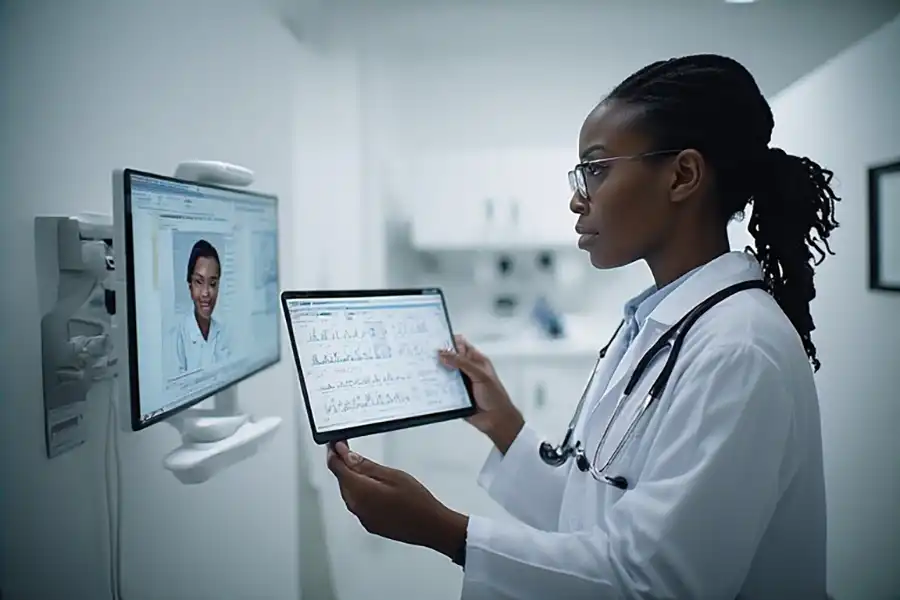
Skipping a brutal drive on I-10 to see a doctor via video feels like a massive relief. However, understanding telehealth records in Houston personal injury cases requires recognizing that this convenience permanently changes your medical evidence. Instead of traditional paper files, your computer creates a highly detailed “digital footprint.” According to modern medical standards, these remote visits automatically generate connection logs—acting exactly like a physical sign-in sheet at a front desk—that definitively prove you attended your appointment.
Insurance adjusters routinely try to argue that a video call is somehow less serious than an in-person exam. In practice, a skilled Houston personal injury attorney relies on those precise digital logs to stop them from devaluing your settlement. This guide explains exactly which telehealth records Houston personal injury victims need to secure, ensuring your virtual treatment is fully respected and correctly valued by the insurance company.
Why Your Smartphone Camera is the New ‘Sign-In Sheet’
When you walk into a physical clinic, the first thing you do is write your name on a clipboard. In the virtual world, your app handles this automatically by creating “metadata”—the hidden information attached to your video call. One of the greatest benefits of using telehealth for immediate post-accident documentation is that this software generates a permanent digital log the second you connect with your doctor.
This invisible paper trail acts as undeniable proof for your personal injury claim. Insurance adjusters often try to argue that virtual visits aren’t “real” medical care, or they might claim you skipped important follow-up appointments. However, requesting digital logs for online medical consultations gives your lawyer hard evidence of exactly when you logged on, your location, and how many minutes the specialist spent evaluating your injuries.
Imagine recovering in Sugar Land with severe whiplash; a remote consultation captures your visible pain immediately, long before bruises fade or you feel well enough to brave I-10 traffic. These timestamps prove you took your recovery seriously from day one.
Can Harris County Judges Really See Your Video Visit as Evidence?
Taking a quick screenshot of your doctor on a video call might seem like solid proof of your appointment, but it will not hold up before a judge. Virtual doctor visits are admissible in Texas courts, but the rules are strict. Whether the judge will actually let the jury see your records—a legal concept known as admissibility—depends entirely on how those digital files are collected. A photo saved on your phone can easily be edited, meaning the court simply cannot trust it as official proof of your injuries.
Meeting the strict Harris County personal injury lawsuit evidence requirements means your lawyer must prove the digital file has never been altered. This process, called authentication, involves getting the official data directly from the medical provider rather than your personal device. For the court to accept your virtual visit as real evidence, the record must meet three crucial requirements:
- Verified by the “Custodian of Records”: The official in charge of the clinic’s telehealth software must provide a sworn statement confirming the file is genuine.
- Complete and Unedited: The digital log must show the exact start time, duration, and the original doctor’s notes without any changes.
- Securely Transferred: The file must be sent safely directly to your legal team, preventing any chance of outside tampering.
Having properly certified digital paperwork stops the defense team from claiming your appointment never happened. However, proving to the court that your visit was real is just the first hurdle. Even when your telehealth records are legally flawless, the insurance company will still look for excuses to pay you less.
3 Ways Insurance Adjusters Try to Devalue Your Virtual Treatment
You already know insurance companies look for any excuse to pay you less after a crash. When you swap a physical clinic visit for a video call to avoid I-10 traffic, adjusters see an opportunity. They will naturally question the impact of virtual medical treatment on settlement value, hoping to convince a jury your injuries are minor simply because you stayed home.
They cannot legally ignore your doctor’s orders, but they will use these three common arguments to try and offer you less money:
- “The doctor couldn’t examine you.” Rebuttal: Modern doctors use video-based range-of-motion tests that clearly demonstrate your physical limits, providing solid diagnostic accuracy in disputes.
- “You skipped physical therapy.” Rebuttal: Virtual therapy app logs show your exact session login times, undeniably proving your consistency of treatment.
- “You weren’t in pain.” Rebuttal: Because the adjuster cannot see you limping into a waiting room, you must narrate your daily physical struggles clearly on camera so the doctor officially records them.
Navigating the challenges of proving pain and suffering through remote consultations means you must be incredibly vocal. If you just smile and say “I’m okay” on a screen, the defense uses that polite habit against you. Instead, you must verbally detail exactly how a back injury stopped you from sleeping or working.
Beating these corporate tactics requires more than just your memory of the appointment. You need the raw technical data proving exactly how long your doctor examined you.
How to Request Your ‘Digital Footprint’ Without Getting Ghosted
Getting a clinic to call you back often feels harder than navigating the Galleria parking lot. When accessing electronic health records from virtual clinics in Texas, you are dealing with an Electronic Health Record (EHR) system. Think of an EHR as a giant digital filing cabinet. Major Houston medical providers typically use secure patient portals like Epic or MyChart to hold your health information, but what you see on your phone screen is not the whole picture.
A standard patient portal usually only shows a basic “Visit Summary,” which is just a brief digital receipt of your appointment. To protect your injury claim, you need a deeper file called an Audit Log. This log acts like a security camera for your medical chart. When requesting digital logs for online medical consultations, specifically asking the clinic for the Audit Log proves exactly how many minutes your doctor spent examining you via video. It shows the skeptical insurance adjuster this was a real, thorough visit rather than a quick two-minute chat.
Fortunately, healthcare providers cannot legally ignore your paperwork. While personal injury lawyers focus heavily on the Texas statute of limitations for medical record requests in lawsuits, your immediate concern is the strict state law forcing clinics to hand over your complete electronic files within 15 to 30 days of a written request. Knowing exactly what digital evidence to demand is just the beginning of building your case.
Navigating the Texas Medical Privacy Act During a Virtual Consult
Jumping onto a video call from Katy might feel less formal than visiting a clinic, but your digital data is heavily guarded. While you likely know about federal regulations, the Texas Medical Privacy Act offers broader protections for your electronic information than standard HIPAA alone. Just because your doctor’s visit exists as a digital file does not mean the at-fault driver’s insurance adjuster gets an all-access pass to your entire medical history. Texas medical record privacy laws for virtual appointments strictly limit what an insurance company can demand, keeping your unrelated past health issues securely locked away from their review.
To enforce those boundaries, your chosen clinic needs more than a basic patient portal password. You must ensure they use end-to-end encryption—a digital lock that scrambles your video feed so outsiders cannot intercept your private conversations. This vital security goes beyond basic HIPAA compliance for Houston remote medical providers, ensuring your sensitive injury evidence remains intact and legally credible for a judge to review.
Your Roadmap to Turning Virtual Care into a Real Settlement
A video call from your Katy living room is more than a convenient medical check-in; it is a vital piece of digital evidence. The new reality of telehealth records in Houston personal injury claims is that virtual appointments carry just as much legal weight as physical office visits—if you handle them correctly. You are now empowered to demand the full digital audit trail from your providers, ensuring insurance adjusters treat your virtual sessions as valid, necessary medical treatment rather than an excuse to devalue your injury.
Do not let an insurance company use modern convenience against you. To protect the total value of your claim today, follow this simple checklist:
- Confirm your portal login so you can securely access your complete digital footprint.
- Request a full record log from your doctor’s office, verifying that it documents actual treatment instead of just a brief check-in.
- Call a specialized Houston personal injury attorney to review your visit metadata and translate those technical logs into settlement dollars.
Your pain is real, and with the right digital paper trail, your compensation will accurately reflect that reality.
Lanease D. Fuller Law
4615 S. Frwy St. 820
Houston, TX 77051
713-439-7400